Overview
In high-reliability electronics manufacturing, jumper wires are often viewed as minor additions, simple conductors bridging electrical connections. However, in military, aerospace, medical, and high-end industrial applications, improperly installed jumper wires can become latent reliability risks.
Circuit Technology Center was engaged by a customer manufacturing ruggedized control assemblies experiencing intermittent field failures. The assemblies had undergone multiple design revisions and contained numerous jumper wires added for modifications and defect correction. Although all units passed functional testing at shipment, field returns suggested deeper mechanical and long-term reliability concerns.
Circuit Technology Center was asked to evaluate not only the failing assemblies but also the underlying jumper wire practices contributing to the problem.
The Challenge
Initial evaluation revealed that the jumper wires were electrically functional but mechanically inconsistent. Many wires exceeded recommended height limits, some were routed over component bodies, and several lacked proper strain relief or bonding. In vibration and thermal cycling environments, these conditions created stress concentration points at solder joints.
Field return analysis showed that intermittent open circuits were developing after exposure to operational vibration. While none of these conditions were immediately visible during outgoing inspection, they became evident under real-world environmental stress.
The customer's internal processes did not treat jumper wires as controlled mechanical elements. Instead, technicians installed them based on judgment, with limited formal routing or bonding guidance.
Engineering Evaluation
Circuit Technology Center conducted a structured failure analysis that included visual inspection under magnification, solder joint cross-sectioning, vibration simulation, and thermal cycling review. The findings were consistent: most failures were mechanical in origin rather than electrical design flaws.
The absence of consistent routing patterns, height control, and strain relief allowed wires to move under stress. Over time, micro-fractures formed in solder joints. In other instances, wires routed over component bodies complicated rework access and created secondary risks.
The conclusion was clear: the issue was not the presence of jumper wires, but the absence of standardized installation controls.
The Solution
Circuit Technology Center worked with the customer to implement a structured jumper wire control methodology aligned with industry best practices. The initiative focused on elevating jumper wires from modifications to fully engineered elements within the assembly.
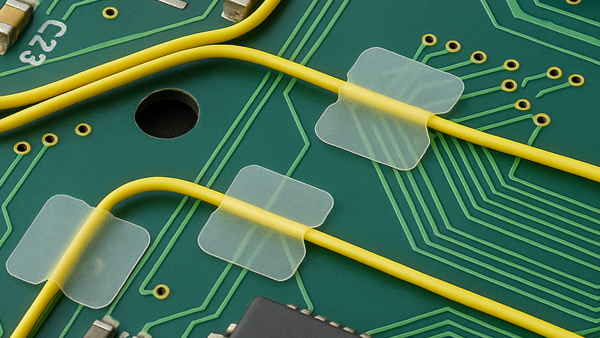
The updated process required jumper wires to be placed on the component side whenever feasible and routed in direct X-Y paths to minimize unnecessary length and stress. Height was limited to 3.2 mm (0.125") above the board surface to prevent enclosure interference and mechanical damage. Bare conductor length was tightly controlled to ensure electrical clearance and signal integrity.
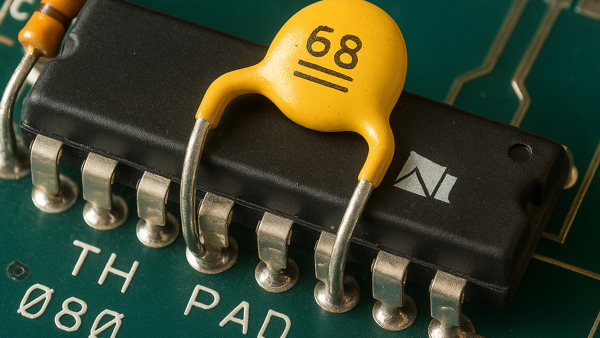
Routing across unused pads and test points was restricted to preserve future serviceability. Wires were prohibited from crossing over component bodies or heat sinks to prevent insulation degradation and maintain rework access.
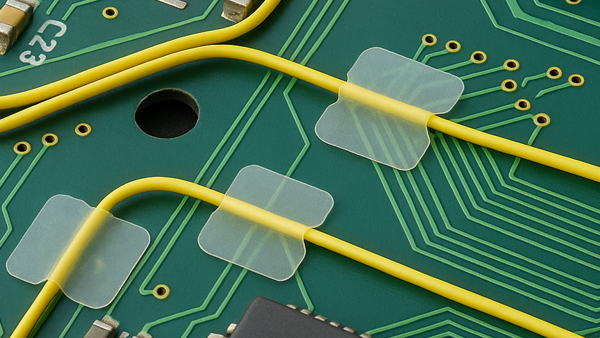
Particular emphasis was placed on stress relief and bend radius. Minimum bend radius requirements were enforced to prevent mechanical fatigue, and all jumper wires were required to be bonded to the board surface after soldering using approved adhesives or bonding methods. This eliminated wire movement during vibration exposure.
Engineering documentation was also strengthened. Component jumper wires integral to design were formally noted on drawings. Modification and defect-correction jumper wires required traceable engineering authorization, ensuring full visibility throughout the product lifecycle.
Results
Within nine months of implementation, the customer reported a measurable reduction in field returns attributed to intermittent jumper-related failures. Vibration-related solder fractures were significantly reduced.
Internally, technicians observed more consistent workmanship. Inspection became more objective because routing, height, and bonding were no longer subjective decisions. Rework time decreased because standardized routing improved accessibility.
Most importantly, product reliability in high-vibration environments improved substantially. The assemblies began performing as originally intended, not just at initial functional test, but throughout their operational life.
Impact
For manufacturers serving military, aerospace, and medical markets, reliability is not optional. Latent mechanical defects can compromise mission-critical systems and damage long-term customer trust.
By treating jumper wires as engineered components rather than informal corrections, the customer strengthened both product performance and process discipline. The initiative required modest training and documentation updates but delivered outsized returns in reliability improvement and reduced warranty exposure.
Conclusion
Jumper wires are often small and visually simple, but their impact on reliability can be significant. When installed without structured controls, they can introduce mechanical stress points, complicate serviceability, and create long-term failure risks.
This case demonstrates that disciplined jumper wire routing, bonding, and documentation practices are essential in high-reliability electronics manufacturing. Circuit Technology Center continues to support manufacturers in evaluating and strengthening these practices to ensure assemblies meet the demands of real-world environments, not just initial inspection criteria.
For organizations seeking to improve reliability in modified or reworked assemblies, structured jumper wire control represents a practical and highly effective starting point.
Several members of the Circuit Technology Center team contributed to this feature story. Images may be altered or recreated to protect proprietary information.