3.2 Bow and Twist Repair

Printed Board Type: R/W
Skill Level: Intermediate
Conformance Level: High
Revision: D
Revision Date: Jul 7, 2000

OUTLINE

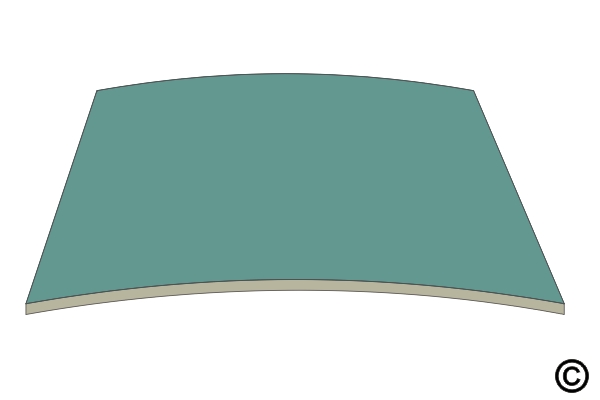
Bow and Twist
heating and cooling of the circuit board while under restraint.


CAUTION

This repair method is most suitable for FR-4, GE or GF substrate base materials having glass transition temperatures below 125°C (257°F).


CAUTION

This process uses high temperatures. Some components may be sensitive to high temperature.


N
OTE
Bow and twist should not be repaired unless sighted as a defect


ACCEPTABILITY REFERENCES
IPC-A-600 2.0 Externally Observable Characteristics
IPC-A-610 10.0 Laminate Conditions
 
PROCEDURE REFERENCE
1.0 Foreword
2.1 Handling Electronic Assemblies
2.5 Baking and Preheating
IPC7721 3.2 Bow and Twist Repair


TOOLS & MATERIALS

Base Plate
Caliper or Pin Gauges
Oven
Restraint Bars
Restraint Clamps


PROCEDURE

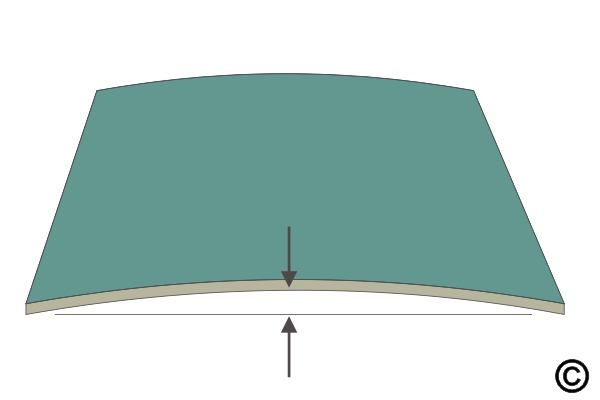
  1. Figure 1: Check edge deflection for maximum warp
    Check the deflection to determine if rework is needed. See Figure 1


    NOTE

    Bow and twist after soldering shall not exceed 1.5% for through-hole circuit boards and .75% for surface mount circuit boards. The bow and twist shall not be sufficient to cause difficulties during placement, soldering and testing operations. Before dispositioning circuit boards with bow and twist as scrap, keep in mind how the circuit board is mounted in its final destination. Keep in mind "form, fit and function" without jeopardizing reliability.  

  2. Place the restraint bars along the edges that require rework. (See Figure 2).


    CAUTION

    Components or parts that will interfere with the restraint bars should be removed.

  3. If the circuit board is warped along more than one edge or more than one plane, clamp the entire circuit board to the base plate

  4. Place the circuit board, restraint bars and base plate into the oven. Bake for 1 hour at 125°C (257°F).

  5. Figure 2: Clamp restraint bars to edge needing rework.
    Remove from the oven and allow to cool to room temperature.

  6. Remove restraint bars.

  7. Check the edges deflection using a caliper or pin gauges.

EVALUATION

  1. Check for marks or damage along edges.

  2. Electrical tests as applicable.